
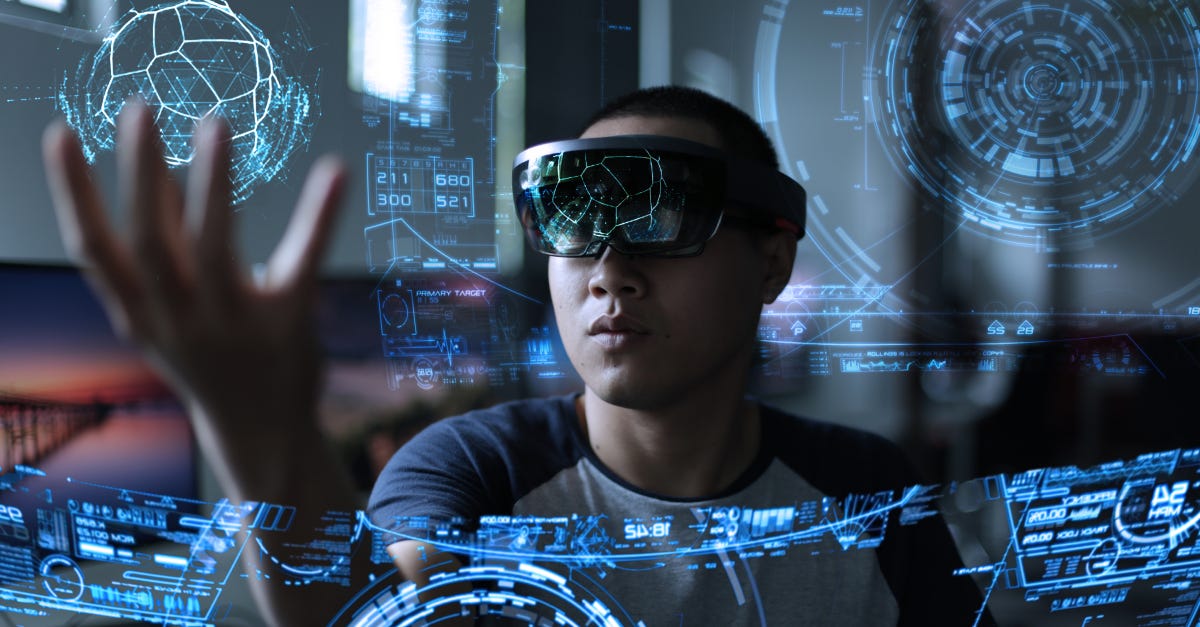
Technology is no longer something we simply use through screens. It has moved beyond phones, laptops, and televisions to become a quiet, constant presence in everyday life. From smart homes to wearable devices, technology is integrating itself into routines so smoothly that we often do not notice its impact. This transformation is changing how people communicate, work, relax, and even think.
Technology That Works in the Background
One of the most significant changes is how technology now operates in the background instead of demanding attention. Smart assistants, automated lighting systems, and voice-controlled devices allow people to complete tasks without actively engaging with a screen. These systems respond to simple commands and adapt to personal preferences over time.
This seamless integration makes daily life more efficient. Instead of navigating multiple apps or devices, users can rely on systems that anticipate needs and deliver results instantly. Whether it is adjusting room temperature or organizing daily schedules, technology has become a silent helper.
Personalized Digital Experiences
Modern technology is also becoming deeply personalized. Algorithms analyze behavior, preferences, and routines to deliver content and services that feel tailored to each individual. From music playlists to news feeds, everything is curated to match personal tastes.
Platforms like Cricketbuzzing show how digital experiences can be refined to deliver real time updates and insights without overwhelming users. This level of personalization ensures that people stay informed and entertained while minimizing effort.
Blending Online and Offline Worlds
The line between online and offline life is becoming increasingly blurred. Digital payments, online shopping, and virtual services are now part of everyday routines. Even traditional activities such as reading, learning, or socializing are enhanced by digital tools.
Websites like aepdsbiharcard.com demonstrate how essential services have transitioned into digital formats, making access easier and more efficient. This shift reduces the need for physical processes and brings convenience directly to users.
Entertainment Without Boundaries
Entertainment is another area where technology is blending seamlessly into life. Streaming platforms, podcasts, and interactive media allow users to enjoy content anytime and anywhere. People no longer need to plan their schedules around entertainment; instead, entertainment adapts to their routines.
Content formats are also evolving. Light hearted content like funny puns spreads quickly across platforms, providing instant moments of joy. At the same time, creative expressions such as 20 line shayari continue to thrive in digital spaces, showing how traditional and modern forms can coexist.
Smart Living and Automation
Homes are becoming smarter with devices that communicate with each other to create a connected environment. From refrigerators that track groceries to security systems that provide real time alerts, technology is simplifying household management.
Automation plays a key role in this transformation. Routine tasks can now be handled automatically, allowing people to focus on more meaningful activities. This shift is not just about convenience; it also improves productivity and reduces stress.
Subtle Influence on Decision Making
Technology is also influencing how decisions are made. Recommendation systems suggest products, services, and even ideas based on previous behavior. While these suggestions are often helpful, they also shape choices in subtle ways.
For example, trends like dear jackpot gain visibility through digital platforms, influencing what people explore or engage with online. This demonstrates how technology not only supports daily life but also guides it.
The Future of Seamless Integration
As technology continues to evolve, its presence in daily life will become even more natural. Innovations such as augmented reality, artificial intelligence, and advanced automation will further reduce the gap between digital and physical experiences.
The goal is not to replace human interaction but to enhance it. Technology is moving toward a future where it supports people without overwhelming them, allowing individuals to focus on creativity, relationships, and personal growth.
Conclusion
Technology has quietly shifted from being a tool we use to becoming a part of who we are. By blending into daily life seamlessly, it enhances convenience, personalization, and efficiency. As this integration continues, the challenge will be to maintain balance and ensure that technology remains a positive force. When used thoughtfully, it has the potential to enrich every aspect of modern living without ever demanding center stage.


