
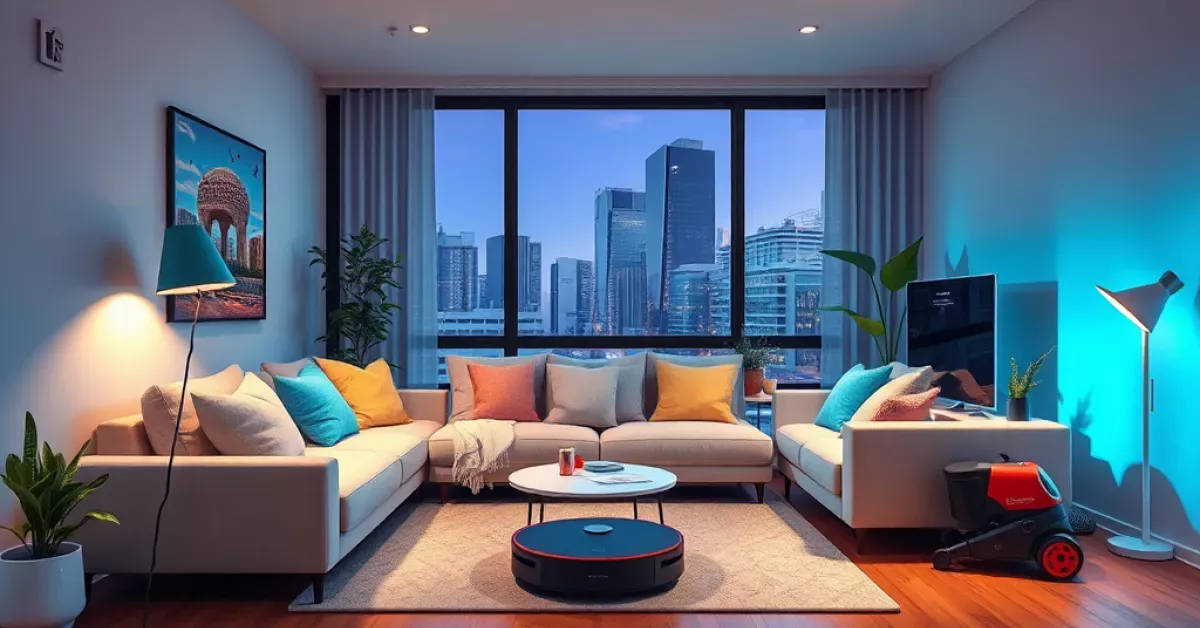
Living in a small apartment once meant constantly compromising on comfort, storage, and convenience. Today, technology is transforming that experience in remarkable ways. Smart devices are helping residents maximize space, reduce clutter, improve energy efficiency, and create a more organized lifestyle. From voice controlled assistants to compact smart furniture, modern technology is changing how people interact with limited living areas.
As urban populations continue to grow, apartments are becoming smaller in many cities around the world. Instead of seeing compact living as a disadvantage, many people are using smart technology to make their homes feel more functional and comfortable.
Smart Lighting Creates Flexible Spaces
Lighting plays a major role in making a small apartment feel larger and more welcoming. Smart bulbs and automated lighting systems allow residents to change brightness and color tones depending on the activity or time of day. Warm lighting can create a relaxing atmosphere in the evening, while brighter white tones can help improve focus during work hours.
Voice assistants and mobile apps also make it easy to control lighting without needing multiple switches or complicated setups. Similar to how users rely on platforms like sewayojan login for convenient digital access, smart home systems simplify everyday apartment management through connected technology.
Motion sensor lighting is another popular addition in compact apartments. Hallways, kitchens, and bathrooms become more practical because lights activate only when needed, helping save electricity while improving convenience.
Voice Assistants Simplify Daily Tasks
Voice controlled technology has become one of the most practical additions to modern apartments. Devices such as smart speakers can control lights, music, security systems, and even kitchen appliances using simple commands.
For people living in limited spaces, reducing physical clutter is important. Instead of multiple remote controls, switches, or devices, voice assistants centralize control into one system. Residents can ask for weather updates, reminders, cooking timers, or entertainment recommendations without needing additional gadgets.
The popularity of personalized digital aesthetics, including trends like Royalfronthandmehndidesign, also reflects how people enjoy combining creativity with technology in their living environments. Smart displays now allow residents to showcase custom digital artwork, calendars, and decorative visuals without taking up extra wall space.
Smart Furniture Maximizes Functionality
Furniture innovation is another reason small apartment living has become more practical. Smart furniture combines multiple functions into one compact design. Beds now include hidden storage compartments, foldable desks can transform into dining tables, and modular sofas provide additional organization space.
Some smart tables even include wireless charging stations and built in speakers. These designs eliminate the need for extra accessories, reducing clutter and improving efficiency.
Technology driven furniture also supports remote work culture. Compact workstations with adjustable heights and integrated lighting allow residents to create productive environments without dedicating an entire room to an office setup.
Smart Entertainment Reduces Clutter
Entertainment systems have also evolved significantly for apartment living. Instead of large television cabinets and bulky sound systems, residents can now use slim smart TVs, wireless speakers, and streaming devices.
Projectors are becoming more common in smaller apartments because they save wall space while still delivering a cinematic experience. Smart entertainment systems also connect directly to phones and tablets, reducing the number of physical devices needed in the home.
Even creative digital tools and tutorials that teach users how to draw a perfect circle demonstrate how technology can make hobbies and learning more accessible within compact living spaces. Small apartments no longer limit creativity because digital solutions require very little physical room.
Security and Automation Improve Peace of Mind
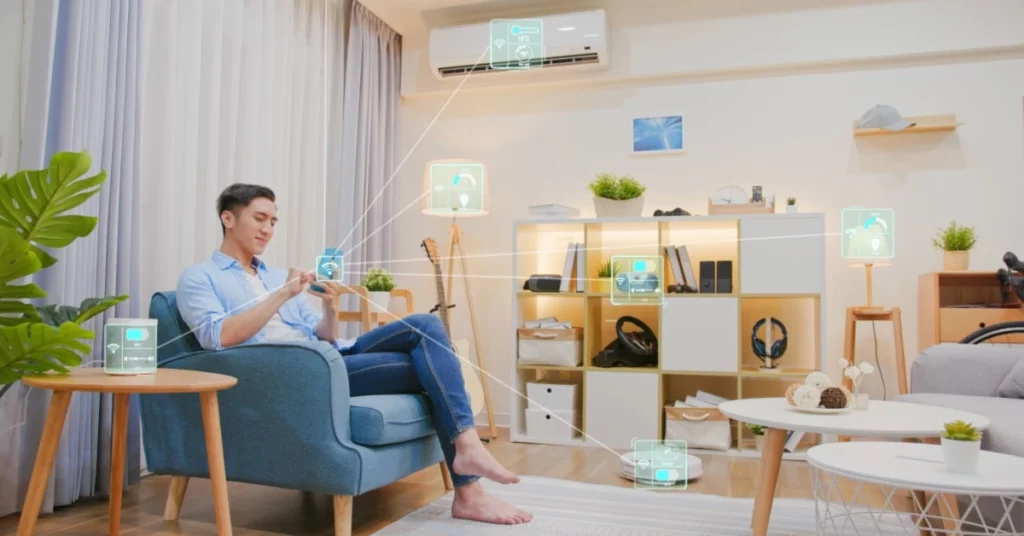
Apartment residents are increasingly investing in smart security devices. Video doorbells, digital locks, and indoor cameras help improve safety without requiring complex installations.
Smart locks are particularly helpful for apartment living because residents can unlock doors through their phones or temporary access codes. This reduces the need for spare keys and adds convenience for guests or delivery services.
Automation systems can also manage curtains, temperature settings, and air purifiers automatically. These features create a more comfortable environment while helping residents maintain energy efficiency.
Modern apartment living often combines technology with personal interests and online communities. Platforms connected to entertainment or creative projects, such as anfieldedition, reflect how digital lifestyles continue shaping the atmosphere inside compact urban homes.
Smart Technology Supports Remote Work and Creativity
The rise of remote work has changed how apartments are used. Many people now need workspaces inside homes that were originally designed only for relaxation. Smart devices help solve this challenge through noise cancelling systems, wireless monitors, and compact office setups.
Cloud based technology allows residents to work efficiently without needing large filing cabinets or heavy equipment. Wireless charging stations and portable devices also help maintain clean, organized environments.
Creative industries benefit as well. Software tools like sfmcompile highlight how technology supports animation, digital content creation, and multimedia projects from small living spaces. Residents no longer need large studios to produce professional quality work.
The Future of Small Apartment Living
Smart technology is continuing to evolve rapidly. Future apartments may rely even more on automation, artificial intelligence, and space saving innovations. Smart mirrors, AI powered assistants, and advanced home monitoring systems could soon become standard features in compact homes.
As cities become denser, the ability to live comfortably in smaller apartments will become increasingly important. Technology is helping people transform limited square footage into highly functional, comfortable, and personalized spaces.
Small apartment living is no longer about sacrificing comfort. Through smart devices and connected systems, residents can enjoy convenience, organization, entertainment, and efficiency in ways that were impossible just a few years ago.


