
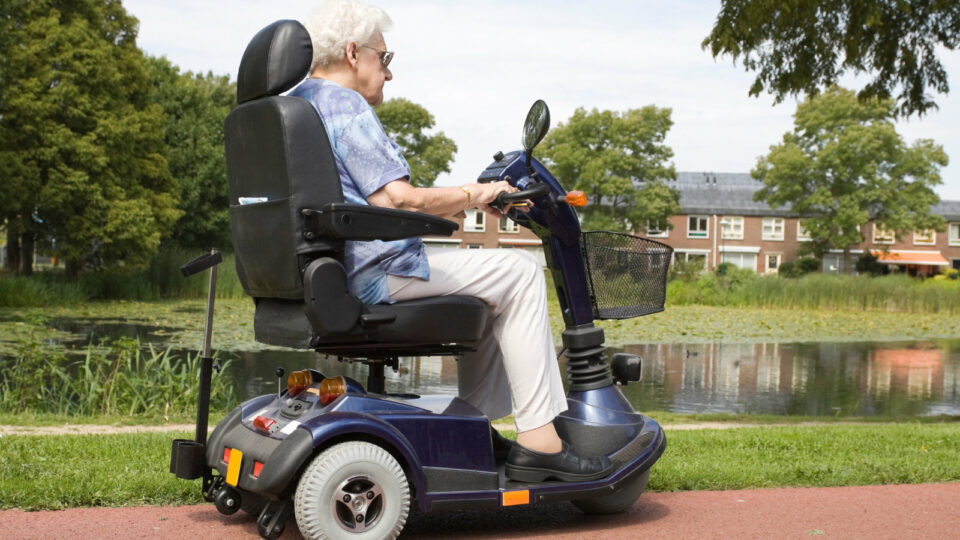
Independent living is about having greater control over everyday decisions, routines, and activities. For people who experience challenges with movement, maintaining that independence can sometimes require practical support. Personal mobility aids are increasingly becoming part of that support, helping individuals navigate daily environments with greater confidence and less reliance on others.
Modern mobility solutions are also changing expectations. Rather than focusing only on getting from one location to another, people are considering comfort, ease of operation, portability, suitability for different environments, and how well a mobility aid fits into an existing lifestyle.
Supporting More Self-Directed Daily Routines
One of the most important aspects of independent living is being able to manage ordinary routines without constantly arranging assistance. Moving around the home, visiting nearby places, attending appointments, meeting friends, or completing errands can all require additional planning when mobility is limited.
A suitable PMA can make these activities more manageable by providing dependable support for everyday movement. This can give users greater flexibility when deciding when and where they want to go. Instead of organising an entire day around the availability of another person, individuals may have more freedom to create routines around their own preferences.
Making Energy Management Easier
Independent living is not simply about whether someone can physically complete an activity. It is also about how much energy that activity requires.
For some individuals, walking longer distances can use energy that could otherwise be spent on work, hobbies, social activities, shopping, or household responsibilities. Personal mobility aids can help reduce unnecessary physical exertion during movement.
This can make daily planning more practical. Someone may choose to conserve energy during travel so they can participate more comfortably once they reach their destination. Mobility solutions available through providers such as ELFIGO reflect the growing demand for equipment that supports real everyday routines rather than mobility in isolation.
Expanding the Practical Living Radius
Personal mobility aids can also increase what might be described as a person’s practical living radius. Without suitable mobility support, individuals may naturally limit themselves to places that are easy to reach.
With the right mobility aid, more destinations may become realistically accessible. A trip to a nearby shop, community space, outdoor area, or social gathering may feel more manageable when transportation around the destination has already been considered.
This expanded radius can be especially valuable because independence often depends on having choices. Greater mobility can provide more options for deciding how to spend the day rather than allowing distance to determine what is practical.
Encouraging Participation in Everyday Life
Mobility has a strong connection with participation. Being able to move comfortably can make it easier to remain involved in family routines, hobbies, community activities, and social occasions.
Personal mobility aids can support this participation without making mobility itself the main focus of the day. Ideally, the equipment simply becomes a practical part of a person’s routine. Companies such as ELFIGO offer mobility solutions designed around different needs, helping users consider options that may complement their preferred activities and environments.
Adapting to Different Stages of Life
Mobility requirements are not always permanent or unchanged. They can evolve depending on lifestyle, age, physical ability, environment, and daily responsibilities. This makes flexibility an increasingly important consideration when selecting personal mobility equipment.
Some people may require mobility assistance primarily for longer outings, while others may use it more regularly. Understanding where, when, and how a mobility aid will be used can help individuals identify a solution that provides appropriate support without unnecessarily restricting their routine.
Creating Greater Confidence Around Everyday Planning
Another less obvious benefit of mobility aids is predictability. Knowing that suitable mobility support is available can make planning an outing feel less uncertain.
Instead of worrying about whether a destination involves too much walking or whether enough energy will remain for the return journey, users can plan around a mobility solution that suits their needs. This can encourage greater spontaneity and make everyday decisions feel simpler.
Providers such as ELFIGO are part of a broader shift toward mobility products that recognise independence as more than physical movement.
A Practical Part of Independent Living
Personal mobility aids are becoming increasingly important because they can support choice, participation, energy management, and everyday flexibility. The value of a mobility solution is ultimately determined by how effectively it fits into the user’s life.
As mobility technology continues to develop, personal mobility aids can increasingly serve as practical tools that help individuals shape their routines around what they want to do rather than around the limitations of getting there.